Class Annelida
Lumbricus terrestris (Earthworm)
Megascolides australis (Giant Gippsland Earthworm)
Driloleirus americanus (Giant Palouse Earthworm)
_________________________________________________________________________________

Earthworm
•Lumbricus Terrestris
Phylum: Annelida
Family -Lumbricidae
Genus -Lumbricus
Species -Terrestris
Fun Facts: Contrary to popular belief if you cut a earth worm in half it will not make two separate earth worms.
_______________________________________________________________________________________________
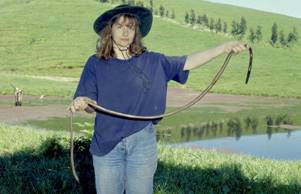
Giant Gippsland Earthworm
Megascolides australisPhylum: Annelida
Family: Megascolecidae
Genus: Megascolides
Species: Australis
The Giant Gippsland Earthworm is usually about
The Giant Gippsland Earthworm lives in
It eats the roots of plants and on other materials found in the soil.
The Gippsland Earthworm is a triploblastic protostome with a coelom, closed circulatory system, and bilaterial symmetry.
They produce egg cocoons inside their burrows. When these cocoons hatch in 12 months the worms are already 20 cm long.
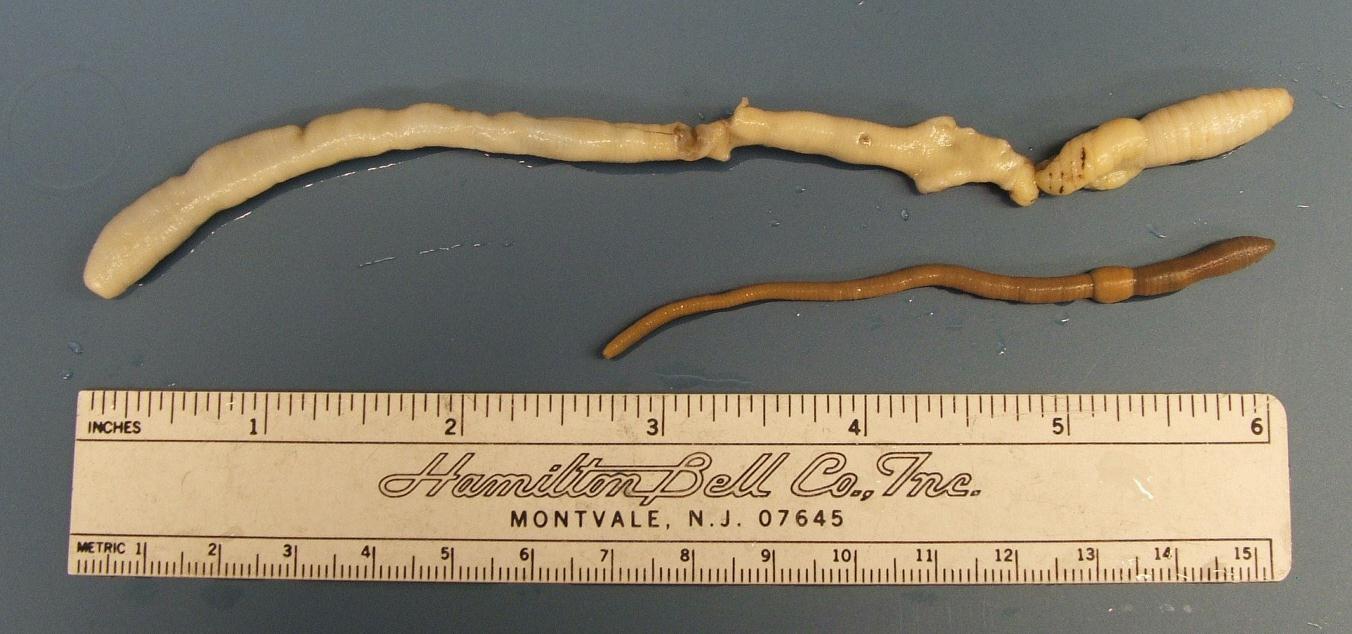
Giant Palouse Earthworm
Driloleirus americanusPhylum: Annelida
Family: Megascolecidae
Genus: Driloleirus
Species: americanus
Giant Palouse Earthworms are very white, they look albino. They can grow up to 1 meter in length. This worm is said to give off a lily flower sent.
This worm is found in the bunch grass prairies of the Palouse region of the
Over the years the worm seems to have gotten smaller. The three most recent sighting have exposed worms that were half the size of what they are usually believed to grow. That means that evolution is taking place or that they are younger specimen.
Fun Facts: Not much is known about the Giant Palouse Earthworm and sighting of this worm are very rare.
This species is considered vulnerable.
___________________________________________________________________________________
Interactive Activity:
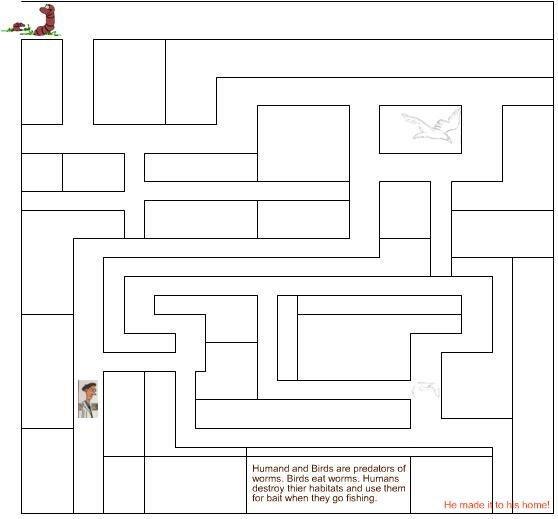
Help the worm get to his hole home. Avoid the bird and human predators along the way.